

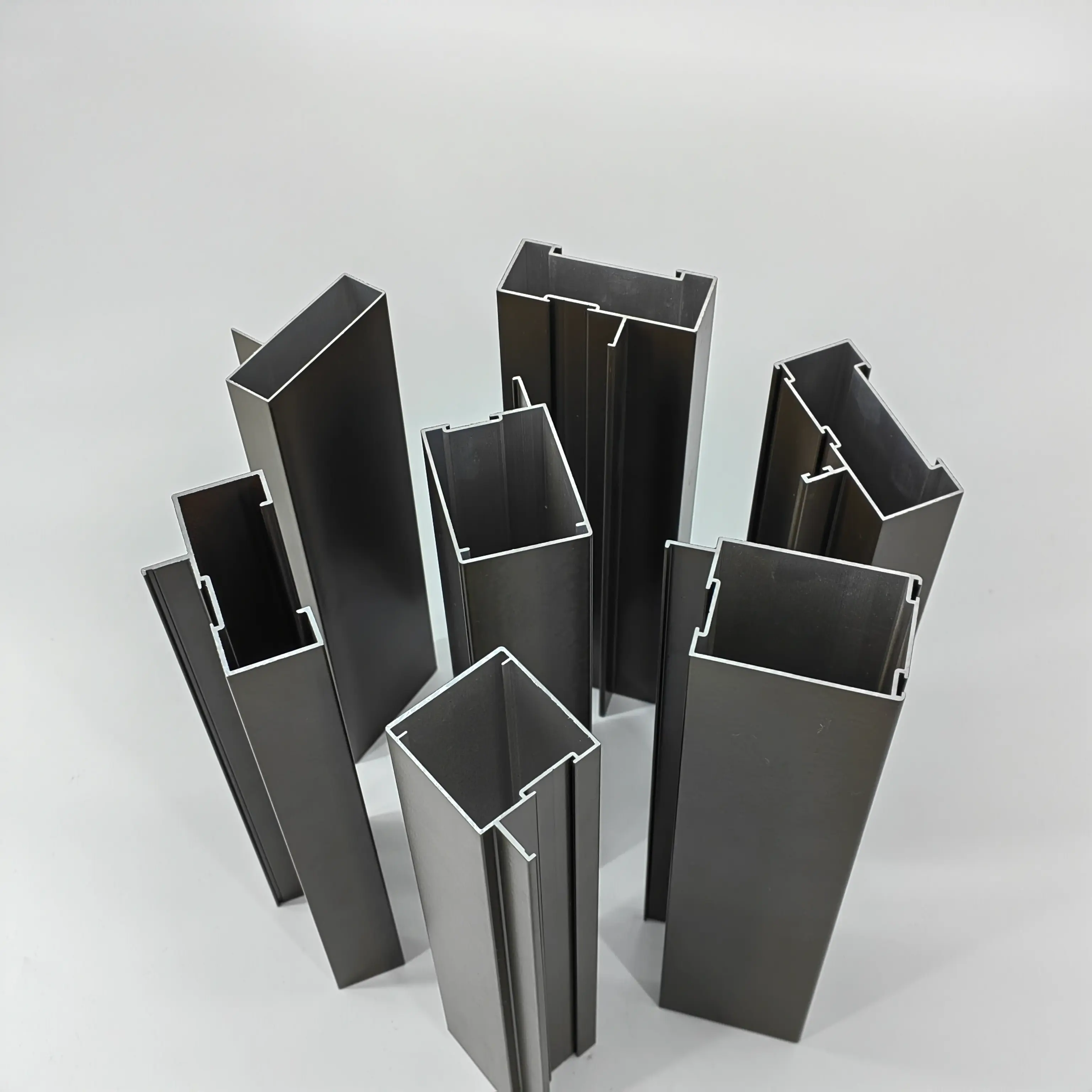
Define the component and its interfaces
Guantian reviews custom and standard extrusion requirements for solar module frames, rooftop and ground-mount rails, splice bars and mid/end clamps. The profile must work with the rest of the system, including glass channels, corner keys, bolts and neighboring rails.
| Component | Material options for review | Fabrication and fit details |
|---|---|---|
| Mounting rails | 6005-T5, 6063-T6 or 6061-T6 as specified by the design | Delivered length, bolt channels, drainage, slot positions and splice fit |
| Module perimeter frames | 6063-T5 or 6063-T6 | Glass/seal channels, 45-degree joints, drainage holes and corner keys |
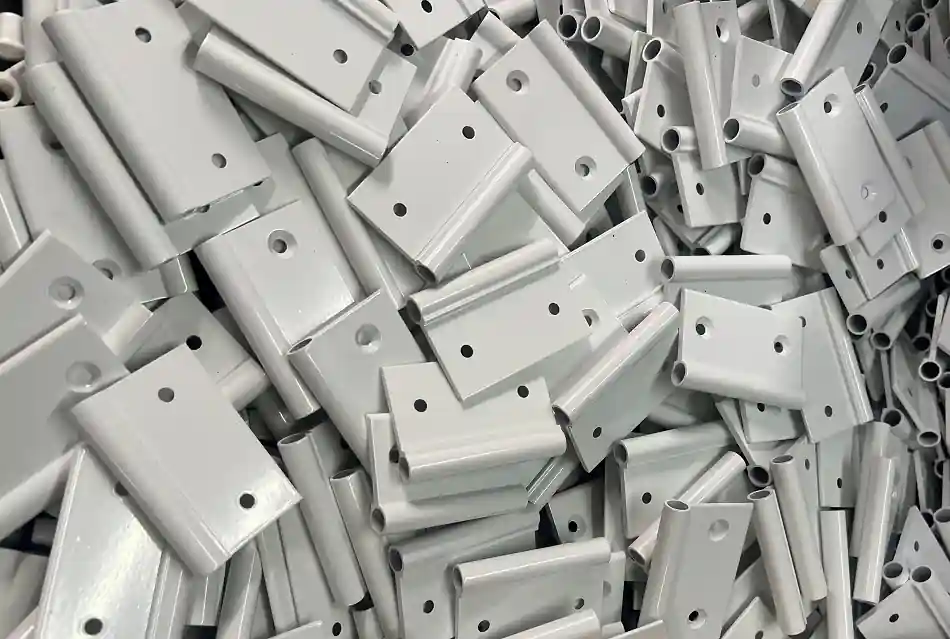
| Mid clamps, end clamps and splice pieces | 6063-T6 or 6061-T6 where suitable | Cut length, contact faces, serrations, holes and thread requirements |
Choose material from the structural design
Required wind and snow performance depends on the profile section, span, supports, fasteners and the complete mounting arrangement. A stronger alloy cannot compensate for an unsuitable connection or section. Give the supplier the required material properties and approved drawings; the system designer should confirm structural suitability.
For long rails, review straightness and twist together with the critical slot dimensions. If a rail carries a sliding T-bolt or connector, provide a mating sample or controlled drawing and identify its required fit. Similar-looking channels are not necessarily interchangeable.
Do not substitute 6005A for 6005, or change a temper, without approval. Confirm the exact material designation and standard so the supplied profile matches the design basis.
Specify the finish for the environment
Clear and black anodizing are common options for solar components, while some designs specify mill finish. The appropriate treatment depends on exposure, appearance and the system specification. Example project specifications include anodic coatings of 15 μm or more for rails and module frames, but the final thickness and acceptance criteria must be agreed for the project.
Specify color, surface texture and inspection requirements, including any coastal exposure or corrosion testing. Review areas that contact dissimilar metals, fasteners or electrical bonding hardware with the system designer. Finish thickness also needs to be considered at close-fitting channels and threaded or machined features.
Coordinate cutting, punching and machining
Guantian’s supply scope can include precision cutting, punching and coordinated CNC drilling or tapping. Example rail lengths such as 2.1 m, 4.2 m and 5.8 m should be checked against the installation layout and loading plan. Confirm which operations are included and which will be completed during assembly.
For frame members, identify the joint angle and reference faces. For clamps, specify the contact geometry, bolt hole and length tolerance. Trial assembly with representative hardware helps verify the interfaces before a large batch is released.
Agree quality checks and packing before production
Batch hardness checks help monitor the aging process. They do not certify wind or snow resistance or prove that a T-bolt connection will resist pull-out. Material-property evidence and system-level verification should follow the project specification.
Dimensional checks can include go/no-go gauges for slots, inspection of serrations and confirmation of cut and hole positions. Define the sampling and documentation required for the order. Long rails can be bundled with protective separation, while small clamps can be labeled and packed in cartons on pallets. Packaging should protect the finish and keep part numbers easy to identify at installation.
Frequently asked questions
Which alloy is best for long-span solar rails?
There is no single choice for every span and load. Provide the approved section, support spacing, required properties and connection details so the specified material and production route can be reviewed.
Can the profiles arrive cut and punched for assembly?
Yes, subject to drawing review. State all lengths, angles, slots, holes and threads, and confirm the trial-sample and inspection requirements before production.
Send your solar frame, rail or clamp drawings and order quantities through WhatsApp for a review of material, fabrication and packing requirements.