
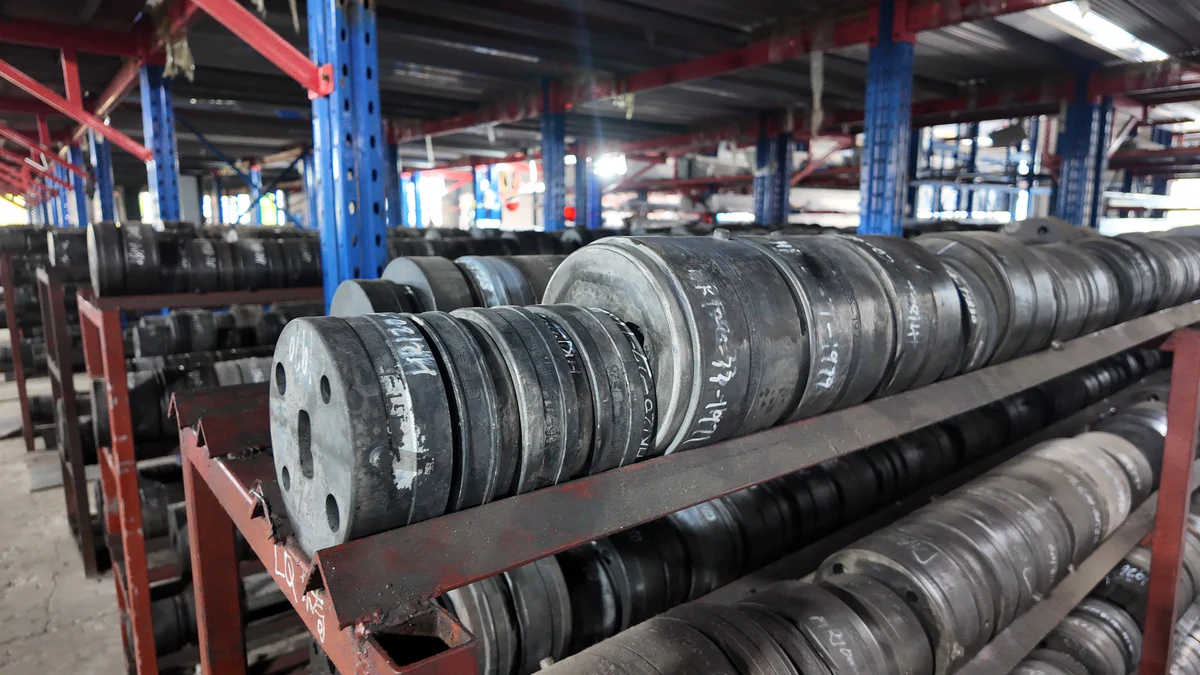
Start with the section and assembly requirements
Determine which features are essential to the design and which can change. A standard tube or frame profile may be suitable when dimensions and appearance are flexible. It may be unsuitable when the section must accept a proprietary gasket, locate a specific component or match an existing installed system.
Compare the actual drawings and mating dimensions before selecting a substitute. A similar external outline does not establish that the internal cavities, screw channels or wall thicknesses will perform the same function. The customer's engineering team should approve any substitution that affects structural or assembly requirements.
Use available stock when the complete specification matches
Guantian combines a Sanshui manufacturing base with a Nanhai stock warehouse. The stock route is useful where a suitable section, alloy, finish and length are available in the required quantity. Request current availability rather than treating a catalog listing as confirmation of stock on hand.
Stock purchasing can reduce the need for tooling and a new production run, but it still requires checks of quantity, finish, mating components and any further processing. Confirm the available bundle quantity and delivery arrangements with the sales team. Product availability and dispatch timing depend on the actual order and stock position.
Consider production from an existing die
An existing die may match your required section even when the desired material is not held as finished stock. Subject to technical and commercial review, a production run may then provide the agreed alloy, cut length, color or subsequent processing without developing a new section.
This route still involves production setup, scheduling and inspection. A color change, special finish or machining requirement may affect the minimum order weight and lead time. Confirm die availability, condition and suitability before assuming that an existing tool can be used for your specification. An existing die also does not establish compatibility with another supplier's branded profile system.
Develop a custom die when the geometry requires it
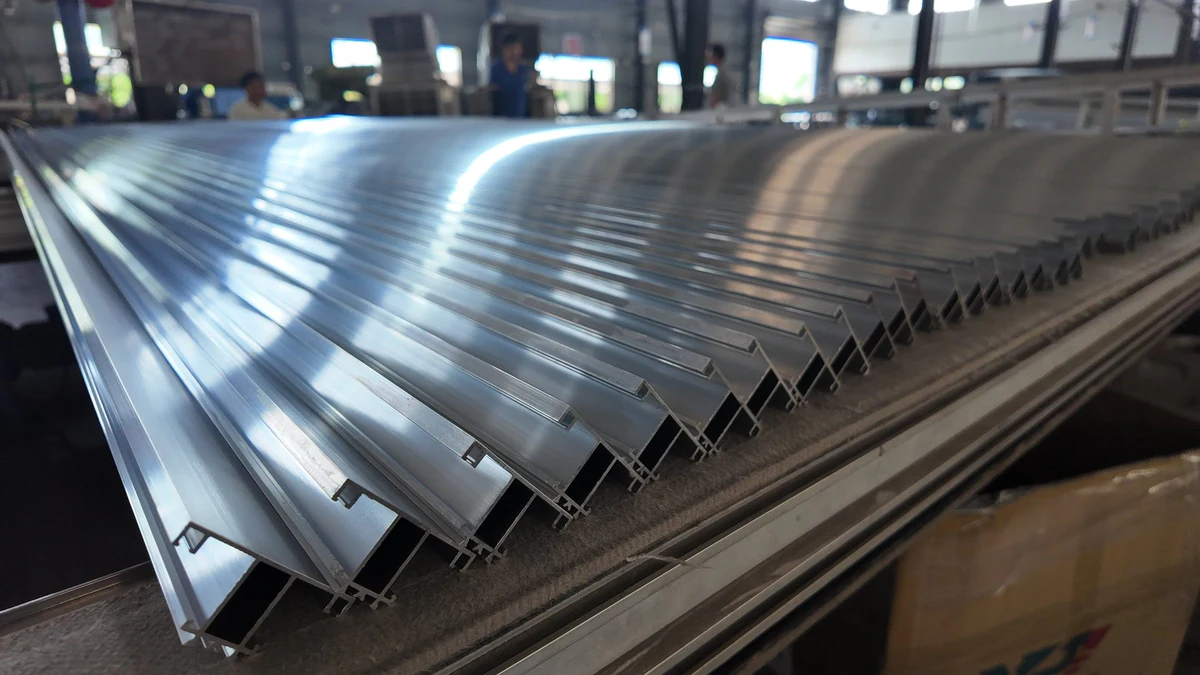
Custom tooling can address a specific assembly interface or combine features such as mounting channels, cable passages and fins within one section. It may also support a customer-approved redesign of material distribution. Any reduction in weight must be evaluated against the required strength, stiffness, durability and manufacturing feasibility.
The commercial comparison should include tooling, trials, finishing, machining, packaging and expected repeat quantities. Do not assume that tooling pays for itself on the first order. Die ownership, confidentiality, maintenance and any rebate terms should be stated in the agreement rather than inferred from a general description of custom production.
| Supply route | Main advantage | What to confirm |
|---|---|---|
| Available stock | Uses material already available in a suitable specification | Actual stock, section, finish, length and purchase quantity |
| Production from an existing die | Retains the section while allowing an agreed production specification | Die suitability, setup quantity, finish, processing and schedule |
| New custom die | Develops a section around the required application | Approved drawing, die terms, trials, sample approval and production plan |
Compare order minimums and timing on the same basis
Guantian assesses minimum order weight for each cross-section and color. There is no single fixed minimum for every project. Section size, weight per meter, alloy, finish and setup losses all influence the applicable requirement. Small quantities divided among several sections or colors may be less economical than one consolidated production run.
Lead time should identify the stages included: stock preparation, tooling, extrusion trials, finishing, machining, sample approval and shipment. A repeat order using approved tooling differs from a first order requiring section development. Compare quotations with the same scope and explain any fixed installation deadline before the schedule is confirmed.
Coordinate the selected route with delivery requirements
A project may use stock for some items and custom production for others. Discuss whether the goods should be shipped together or in stages, considering completion dates, quantity checks and packing. Consolidation can be useful, but it must be planned rather than assumed to remove every scheduling difference.
Include matching accessories and the intended assembly sequence in the discussion. In Guantian's documented window project, the profile review included sourced hardware and gaskets; in the industrial project, component labels matched the customer's bill of materials. These details can influence the most practical purchasing route as much as the section price.
Frequently asked questions
How can I check whether you have a suitable existing die?
Send a drawing or a dimensioned section with the application and required fit. Our team can compare it with available options and identify any differences that need approval.
Can an existing section be ordered in another finish?
Potentially, subject to the section, finishing route, quantity and schedule. Confirm the production specification rather than relying on the appearance of a catalog sample.
Will our custom tooling be used for other customers?
Confidentiality, permitted use and ownership should be agreed in writing for the die and project. Raise any exclusivity requirement before tooling is commissioned.
Compare your available options
Email your section, application, finish, quantity and target schedule to [email protected]. We can assess available stock, an existing die or a custom tooling route against the same requirements.