
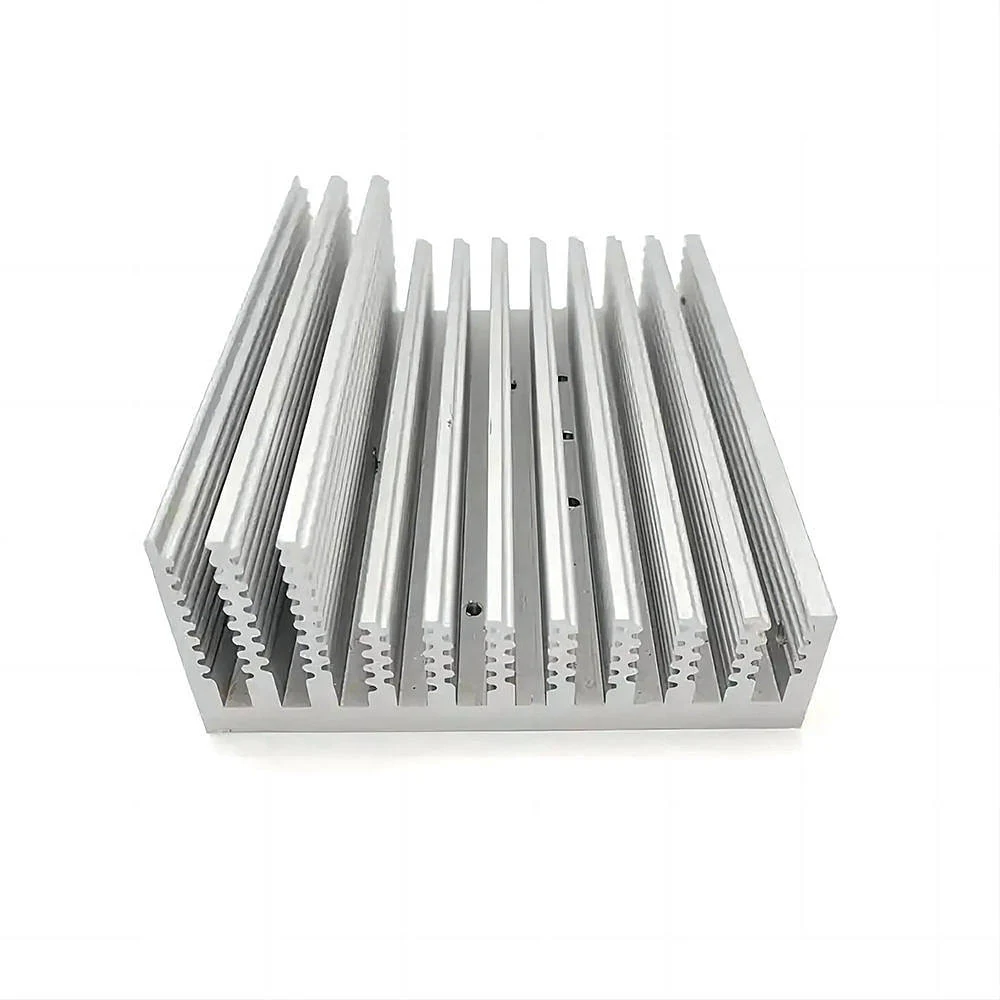
Choose the alloy for the complete application
6063 is a common option for heat-sink profiles because it combines useful extrusion characteristics with thermal conductivity. 6061 may be considered when mechanical strength, mounting requirements or subsequent machining are important. The choice depends on the complete design rather than thermal conductivity alone.
Material properties vary with alloy, temper and processing. If conductivity, strength or another property is essential to your design, state the required value and supporting documentation in the specification. Avoid treating a typical handbook value as a guaranteed production minimum. Our team can review the specified alloy and temper alongside the proposed section and manufacturing route.
Review fins and section geometry before tooling
Closely spaced fins can increase surface area, but they also affect airflow and die feasibility. Fin height, thickness, spacing, root geometry and overall section size need to be assessed together. The practical limits depend on the full geometry and production conditions; a single fin-height-to-gap ratio cannot define feasibility for every extrusion.
Send the actual section rather than only its overall width. If a proposed fin arrangement is difficult to extrude consistently, the technical review may identify changes to thickness, spacing or radii for customer evaluation. Any geometry change must be checked by the customer's design team for its effect on thermal performance and installation.
Define the heat-source contact surface
Identify the face that contacts the heat source or mounting interface. Specify its flatness, surface finish and datum where those characteristics affect performance. An extruded surface may be suitable for some applications, while others need subsequent face milling. The required result should be stated on the finished-component drawing.
Specialist CNC partners can provide face milling, drilling, tapping and other agreed operations. The machining allowance is selected for the component and setup rather than applied as a universal value. Include the hole pattern, thread specification, thread depth and any restrictions on burrs or chips. Also confirm whether inspection applies before or after surface treatment.
Select the finish and identify functional areas
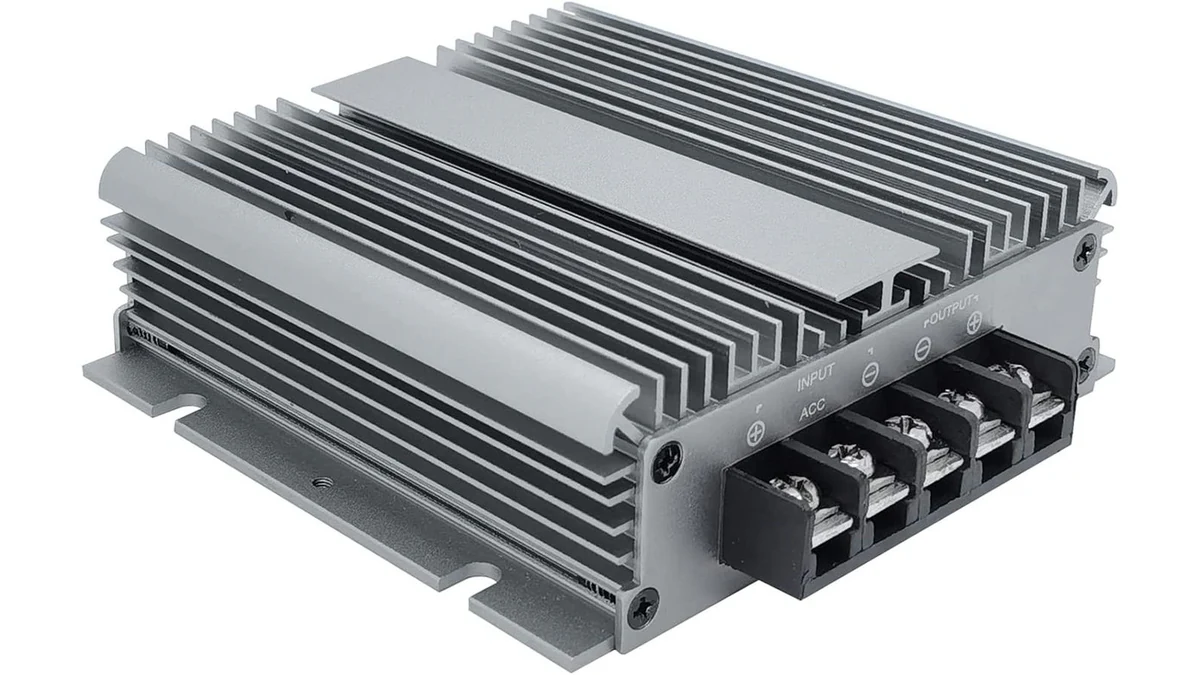
Anodizing through specialist partners is available for heat-sink applications requiring a metallic finish and specified surface protection. Powder coating may be considered for housings or outdoor products where color and appearance are important. Neither process should be selected on appearance alone when thermal interfaces or electrical connections are involved.
Mark areas that must remain uncoated, be machined after finishing or provide electrical contact. An anodized surface should not be assumed to provide a certified electrical insulation function without the relevant design and testing. Likewise, black anodizing does not guarantee a particular reduction in operating temperature. The finished assembly should be validated under its intended airflow, loading and environmental conditions.
Choose long lengths or finished components
Profiles can be supplied in agreed lengths for customers to machine at their own facilities, or as cut components with additional partner processing. Compare the total purchasing route, including machining, handling, quality checks and packaging, rather than only the price per kilogram.
Guantian's in-house cut-length range is 20 to 6,000 mm, with a typical cutting tolerance of plus or minus 0.5 mm, subject to the approved requirement. The feasibility of a specific heat-sink section, its length and any precision features is reviewed before the order is confirmed.
Approve a representative sample and packing method
The sample should include the specified machining and finish so that the customer can test mounting and thermal performance in the actual equipment. Record any changes before approving production. Protect fins, machined faces and threaded features during transport with a packing method suited to the part and handling route.
Guantian's product range includes closely spaced fin profiles, heat-dissipating electronic enclosures and heat-sink bases for LED lighting. Relevant product photographs can show section geometry and machining details. Performance claims should be supported by test results for the identified component and operating conditions rather than inferred from a photograph.
Frequently asked questions
What is the largest heat-sink section you can supply?
Send the complete cross-section for review. Width alone does not establish feasibility; fin geometry, wall thickness, alloy and tooling also affect the assessment.
Can you supply unfinished lengths for our own machining?
Yes. Confirm the required alloy, temper, section, length, surface condition and quantity when requesting a quotation.
Do you provide thermal simulation or temperature-rise certification?
The customer is responsible for thermal design and equipment-level validation. Guantian reviews manufacturing feasibility and supplies against the agreed drawings and inspection requirements.
Prepare a heat-sink inquiry
Email the cross-section, component drawing, contact-face requirements, finish and quantity to [email protected]. Identify any masked areas and required sample testing so that tooling, machining and finishing can be reviewed together.