
Protect the surfaces that matter to the assembly
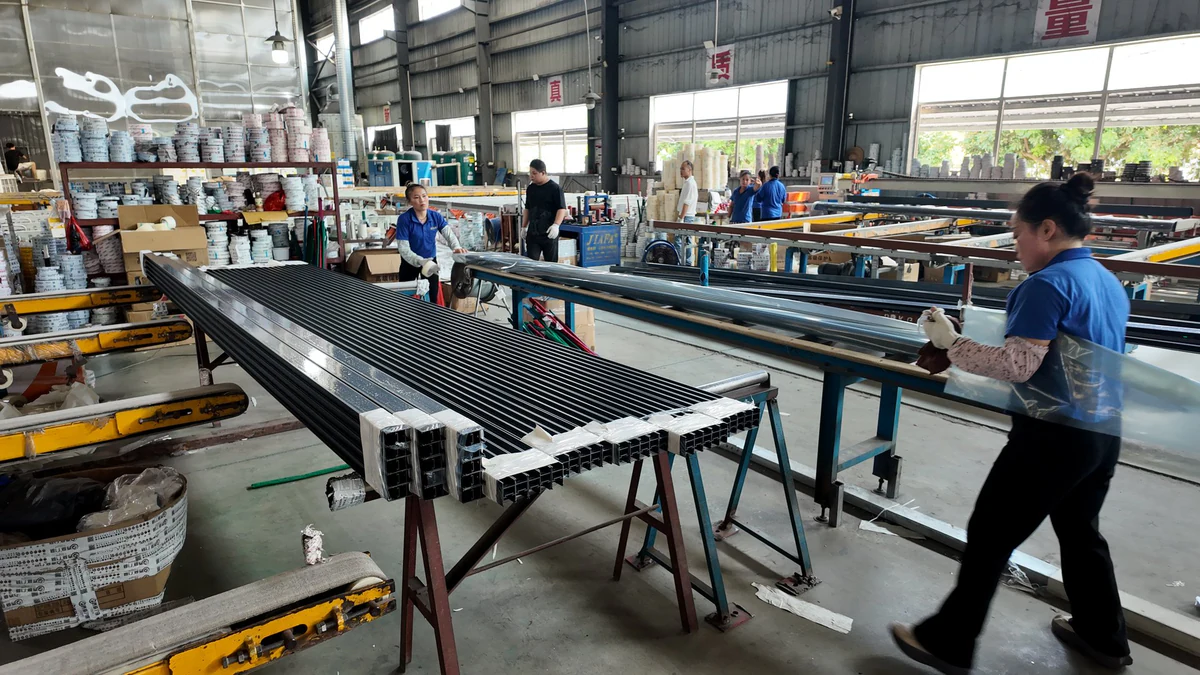
Visible powder-coated, wood-grain and anodized surfaces need protection against rubbing and impact. Depending on the profile, suitable materials may include protective film, separating paper, protective foam and reinforced end protection. The combination should suit the finish and shape rather than rely on a single standard wrap for every product.
Avoid direct contact between vulnerable finished surfaces and abrasive edges, straps or adjacent components. Protective film should be compatible with the finish and removed within the agreed storage or handling period. Confirm any branded film or customer packaging artwork before production, including associated quantities and costs.
Separate machined parts and matching components
Short components require attention to cut edges, machined faces, threads and slender features such as heat-sink fins. Remove machining chips and separate parts so that handling does not damage neighboring surfaces. Carton dividers, individual sleeves or protective foam can be selected according to the component and shipping route.
Matching hardware and gaskets should be identifiable separately from the profiles. Guantian's documented window project used protected profiles with separately labeled hardware and gaskets. In the industrial flow-rack project, machined parts were separated with protective foam and labeled by part number to match the customer's bill of materials.
Agree on labels and the packing list
A useful package label links the goods to the purchase order and the relevant part or profile number. Other information may include batch identification, alloy, finish, cut length and quantity. Define the required fields so that the packing list and physical labels can be checked against each other on receipt.
For project-based deliveries, discuss whether packages should be grouped by part, assembly, installation area or another agreed sequence. Any mixed package should identify its contents clearly. Good identification helps the receiving team locate material without opening every bundle, and supports investigation if a particular batch requires review.
| Packing approach | Typical use | Points to confirm |
|---|---|---|
| Protected bundles | Long profiles with appropriate support | Surface separation, end protection, bundle weight and lifting method |
| Cartons with dividers | Short cut or machined components | Part separation, carton strength, quantity and pallet arrangement |
| Crates or support frames | Vulnerable sections or demanding handling routes | Support positions, lifting access, weight and destination requirements |
Plan loading and unloading together
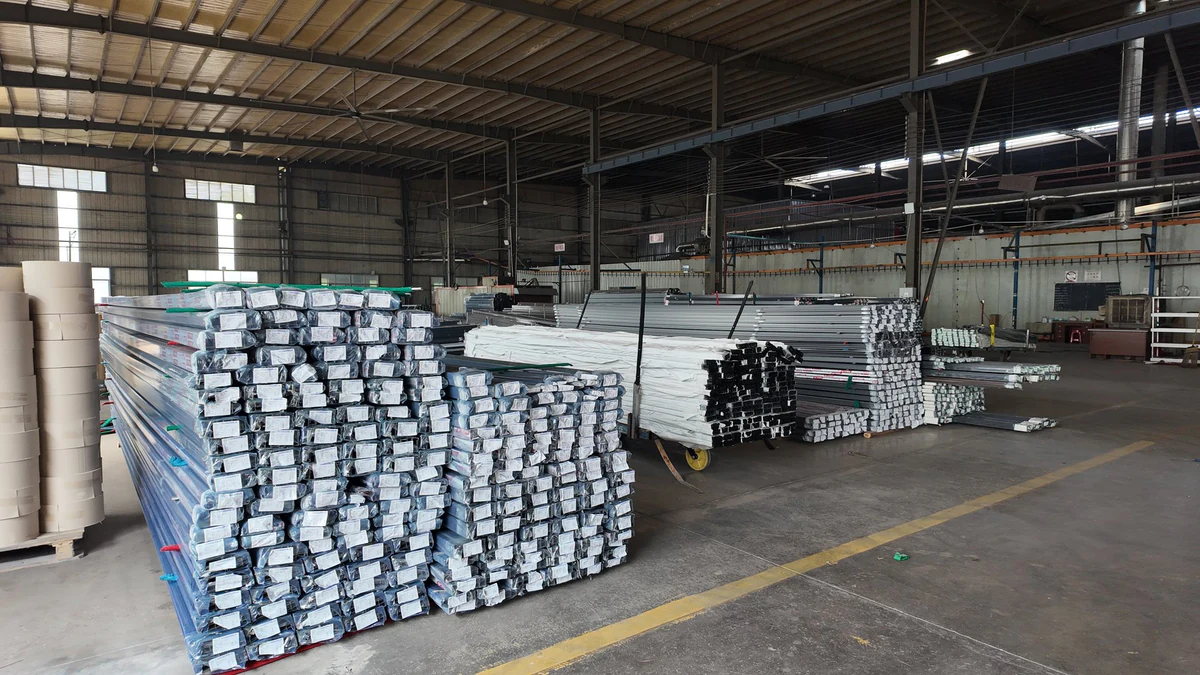
The packing method must suit the customer's available equipment and the route from dispatch to the final warehouse. Confirm whether unloading will use manual handling, a forklift or lifting equipment. Package dimensions, weight and lifting access should be compatible with that plan.
Container payload cannot be established from container size alone. Section geometry, packing volume, support materials, equipment ratings and transport restrictions affect the loading plan. Similarly, long profiles need length checks against the actual container and package. Request a shipment-specific plan instead of assuming a fixed tonnage or universal maximum length.
If wooden packaging is proposed, confirm the material and applicable destination requirements before shipment. Plywood, solid timber, pallets and protective blocks should not all be described as automatically exempt from treatment or marking requirements. The chosen solution and any required documentation belong in the agreed shipping arrangements.
Use a consistent receiving checklist
Photograph the shipment condition before unloading and record any visible movement, damaged wrapping or wet packaging. Compare the package count and labels with the packing list, then check representative parts against the order specification. Inspect vulnerable surfaces, cut lengths and assembly features as appropriate to the delivered condition.
Keep packaging labels and records if a discrepancy is found. Record the affected part numbers, quantity, measurements and photographs before altering or using the material. Notify the sales contact promptly so that the shipment records and inspection information can be reviewed. Specific claim periods and remedies follow the agreed order terms.
Store the goods to preserve their condition
Keep profiles supported in a dry, ventilated indoor area and protect them from water entry and surface contamination. Wet packaging can trap moisture against the material. If packaging is wet, document the condition and arrange safe unpacking, drying and inspection as appropriate to the product. Avoid prolonged storage conditions that can damage the finish or make protective film difficult to remove.
Frequently asked questions
Can you use our brand on protective film or labels?
Discuss the artwork, packaging specification, order quantity and costs with our sales team before confirming the order.
How many metric tons fit in a container?
The answer depends on the profiles, packaging, container and route. A loading plan should establish both volume and permitted payload for the specific shipment.
What should we do if packaging arrives damaged?
Photograph it before unpacking, retain the labels and record the affected items. Contact the sales team with the shipment references and supporting evidence.
Confirm packing before placing the order
Send your unloading method, destination, labeling requirements and any sensitive surfaces to [email protected]. We can review packing and delivery arrangements alongside the product specification.